

Hardwood
Hardwood stairs and treads in the East Bay
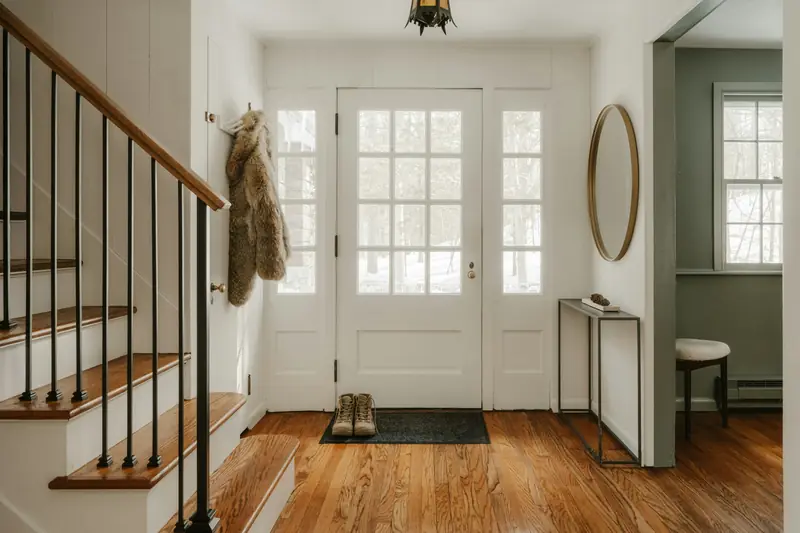
New hardwood treads and risers, matched to the floor around them. In a two-story house the stairs are often the first woodwork people see, and the place where careful fitting shows most.
How the job goes
What happens, in order.
Measure every step
Stairs are rarely as even as they look. Each tread is measured and cut for its own step so the gaps at the walls and stringers stay tight.
Take off what's there
Old carpet, pad, tack strip and staples come off so we can see the structure underneath and what it needs.
Match the floor
Treads are chosen and stained to match the landing and hallway, or to contrast on purpose if that's the look you want.
Fit the nosing and landings
The nose of each step and the landing edges are where a stair job looks finished or doesn't. They get the most time.
Worth knowing
Carpet to hardwood. Many carpeted stairs in East Bay houses built in the 1980s to 2000s are built from plain construction-grade treads that were never meant to be seen. Turning them into hardwood stairs usually means new treads, not sanding what's there.
Torn between wood and carpet on the stairs? Our stair guide covers grip, noise, wear and upkeep. If you'd rather keep carpet, see stair carpet installation.
Questions we hear
Can you refinish my existing stair treads instead?
If they're solid hardwood treads, they can usually be sanded and refinished along with the floor. If they're construction-grade treads that were always under carpet, they need new treads.
Do the stairs have to match the floor exactly?
No. Some people match the hallway floor exactly; others go a shade darker on the treads so the stairs stand out. We'll show you both on samples.
Estimates
Free in-home estimate
We bring samples to your home, measure the rooms and send a written quote. No prices or dates until we've seen the job. What happens on the visit.
- Call
- (925) 691-7101
- Book online
- Pick a time
- Hours
- Mon–Fri, 8am–4pm
- License
- C-15 #998206